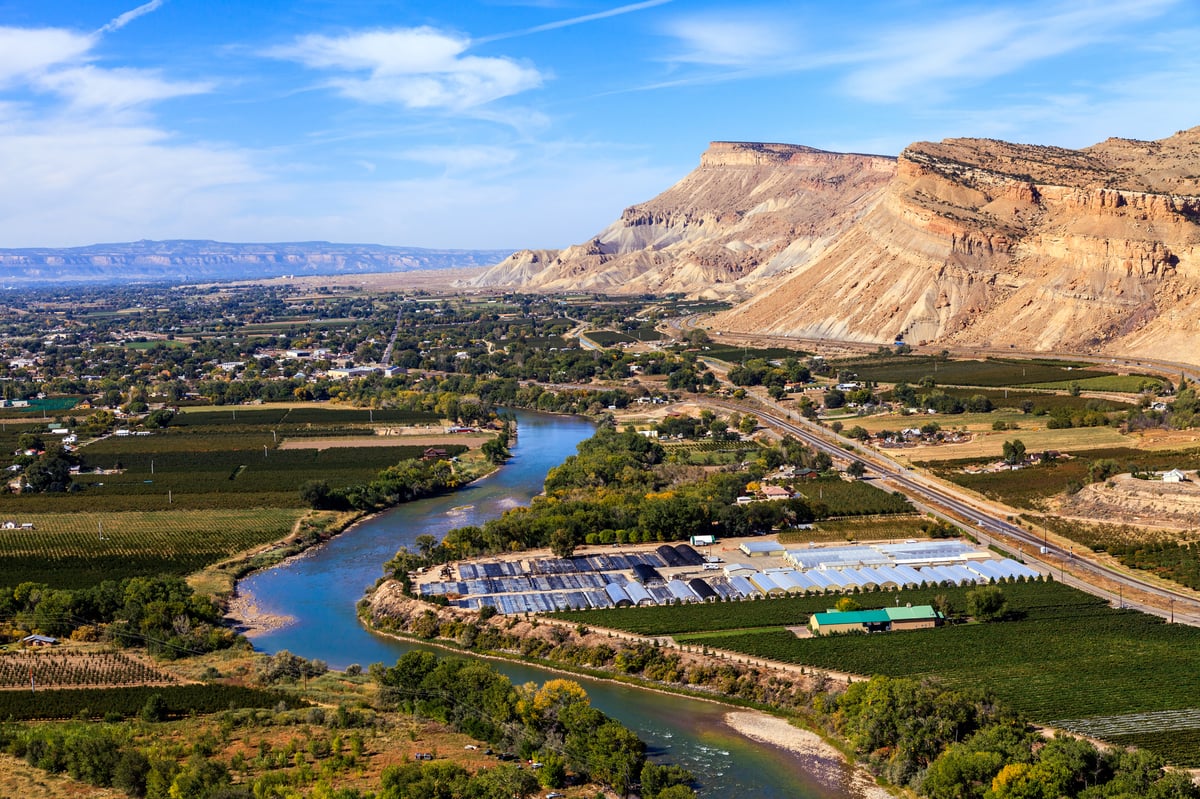
The Lodge at Grand Junction supports seniors with early memory loss through its Generations Memory Care program. This program emphasizes person-centered routines and daily reassurance care, delivered by trained staff. It celebrates residents' strengths rather than focusing on limitations.
Nearly 7 million Americans over 65 are affected by Alzheimer's disease, according to the Alzheimer's Association. Families often see the first warning signs, such as:
- Forgetting about arranged plans
- Misplacing items regularly
- Sudden mood shifts
These changes raise hard questions. This can include wondering how to offer help, protect safety, and still respect independence.
The Lodge answers with structure. Dementia care in Grand Junction, CO, focuses on what residents can still do, not on what they've lost. It's memory care that replaces uncertainty with confidence.
What Are the Early-Stage Memory Symptoms to Watch For?
Knowing what to look for helps families respond with reassurance instead of panic. These are the signs to watch out for:
- Memory Loss That Affects Daily Life: Forgetting information, repeating questions, or relying on notes to manage tasks.
- Difficulty With Planning or Problem Solving: Finding it hard to follow recipes, handle bills, or keep track of appointments.
- Challenges With Familiar Tasks: Trouble driving to known locations or remembering the rules of their favorite games.
- Disorientation With Time or Place: Losing track of dates, seasons, or forgetting where they are.
- Trouble With Language: Struggling to find words, follow conversations, or repeat themselves often.
- Poor Judgment: Decisions that seem out of character, such as mishandling money or neglecting hygiene.
- Withdrawal From Social Activities: Avoiding hobbies or events they have loved.
- Mood and Personality Changes: Anxiety, irritability, or apathy are becoming more pronounced.
Early recognition gives families time to create supportive routines that ease stress. This also allows seniors to maintain confidence and comfort for as long as possible.
How Does Dementia Care in Grand Junction Provide a Resource for Families?
At The Lodge at Grand Junction, Generations Memory Care follows a simple philosophy. Every resident is treated as a whole person, not defined only by memory loss.
Care focuses on abilities, builds dignity, and creates moments of achievement. Every resident deserves support that feels calm, steady, and truly caring.
Signature Programs
These programs are designed to bring purpose, joy, and connection into daily life. Each one encourages memory engagement while celebrating individuality:
- Daily Journey: Provide direction and support for everyday living skills.
- Tune Into Me: Personalized music playlists that spark memory and comfort.
- Culinary Creations: Preparing favorite recipes from the past.
- From Our Generation to Yours: Intergenerational programming.
- Never Stop Exploring: Outings and local connections that encourage curiosity.
- It's All Right: Celebrating individuality and creativity through art and self-expression.
Neighborhood Amenities
Residents enjoy a welcoming environment that balances comfort with opportunities for engagement. Our amenities are designed to reduce stress and encourage relaxation. It includes the following:
- Bright, spacious living areas
- On-site beauty salon services
- Weekly housekeeping and laundry support
- Daily life activities tailored to residents' interests
- Music, art, and pet therapy for relaxation
- Trained associates focused on safety
Generations Services
Daily services provide structure and reassurance. This helps residents feel secure while families gain peace of mind. Each offering is there to support health, independence, and emotional well-being:
- Three nutritious meals each day, with special diets and snacks available anytime
- Help with activities of daily living
- Access to trained care associates around the clock
- Daily programming based on research and innovation
- Family education and support groups to strengthen connections
- Compassion that respects each resident's history, identity, and individuality
Frequently Asked Questions
How Do Emotional Changes in Aging Differ From Memory Loss?
Emotional changes and memory loss can look alike, but they're not the same. Emotional changes often include:
- Mood swings
- Irritability
- Sadness
These shifts can result from life transitions, health issues, or changes in social connections. Memory loss affects daily life and may include difficulty remembering:
- Recent events
- Familiar names and faces
- Everyday routines
Emotional changes can come and go. In contrast, memory loss is usually progressive and continues over time.
Can Structured Routines Help With Memory Loss?
For dementia patients, routine is not only structure; it is a therapeutic tool. A consistent routine lowers stress and provides clear expectations.
Familiar routines, such as mealtimes, activities, or bedtime, help patients feel safe. Structured senior days reduce the need for constant decisions. Residents feel more in control when they can anticipate activities.
How Do Emotional Changes in Aging Affect Caregivers?
As older adults experience emotional shifts, caregivers are directly affected. Consider the following:
- Caregivers may find daily interactions more demanding when moods are unpredictable.
- Stress can increase as caregivers feel responsible for managing emotional changes.
- Guilt sometimes arises when caregivers need time for themselves or feel overwhelmed.
- Family dynamics can suffer when others don't see how demanding caregiving is.
- Personality changes from dementia can cause grief as caregivers face new realities.
Support systems and education can help protect caregiver well-being.
Why Do Individuals With Dementia Start to Withdraw?
Confusion, difficulty following conversations, and changes in confidence can make social settings overwhelming. As a result, many people begin to avoid gatherings, which can lead to isolation.
What Safety Features Should Families Look for in a Memory Care Community?
Ensuring safety is a high priority in dementia care. Families should confirm the following:
- Secured entrances and exits to prevent wandering
- Staff presence and emergency call systems
- Slip-resistant flooring, handrails, and wide hallways
- Good lighting with clear visual cues
- Fire safety systems
- Medication management protocols
Discover Compassionate Care at The Lodge at Grand Junction
The Lodge at Grand Junction offers memory care that feels both structured and personal. Daily routines focus on comfort, dignity, and familiar activities.
Families gain peace of mind as their loved ones receive support that protects their identity and sense of purpose.
At The Lodge at Grand Junction, our Generations Memory Care program provides tailored support for each resident, and we have a 24-hour emergency call system. We combine gentle care with familiarity, safety, and meaningful activities to help seniors live with dignity. Contact us now to learn how our Memory Care community can support your loved one.